
 Image 1 of 5
 Image 2 of 5
 Image 3 of 5
 Image 4 of 5
 Image 5 of 5
We live in an age of unprecedented innovation—and unprecedented collapse. Institutions are breaking down, trust is evaporating, and relationships are fraying at every level, from families to nations. What if the root of our crises isn’t political, technological, or even economic—but relational?
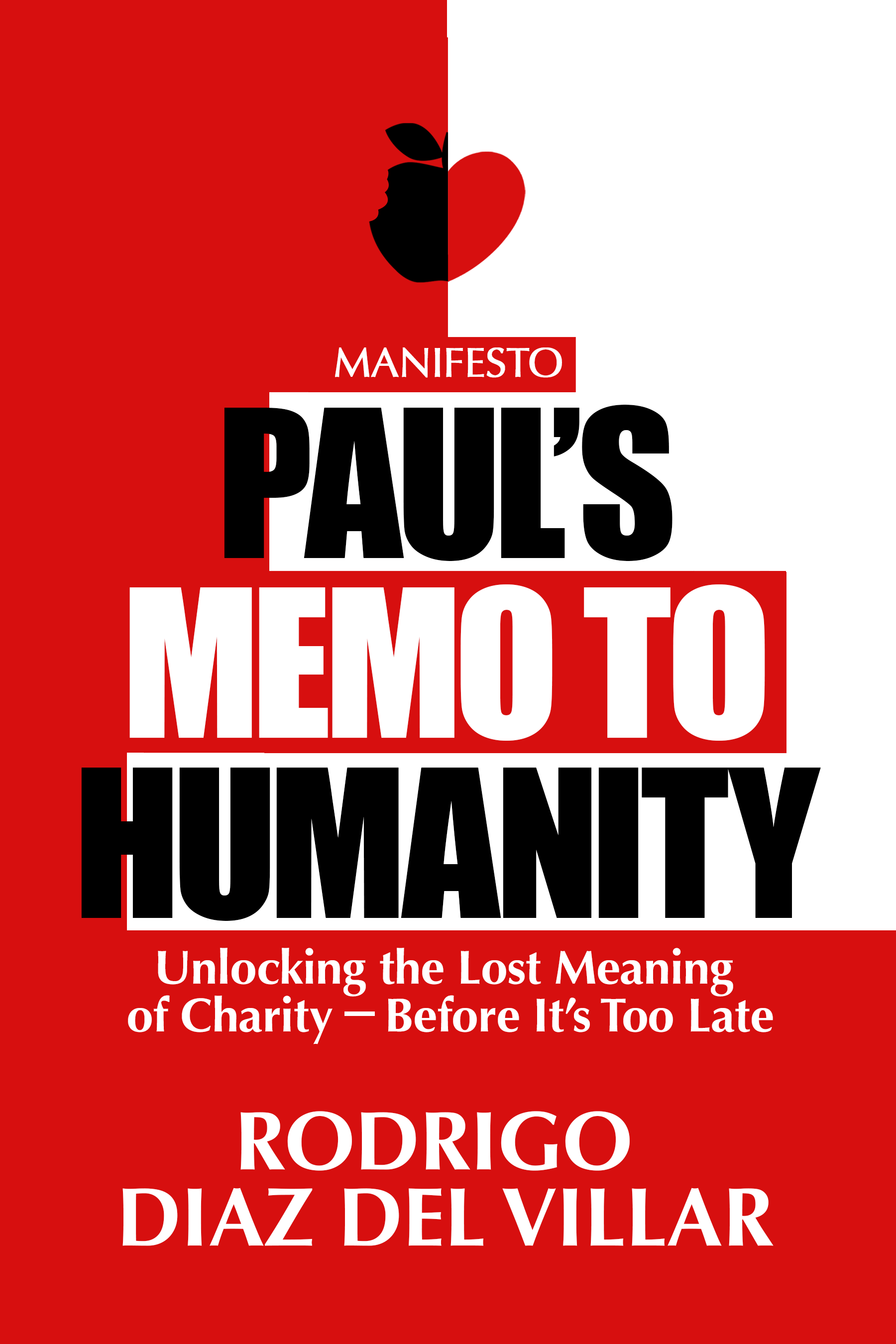
In Paul’s Memo to Humanity, Rodrigo Díaz del Villar makes a bold claim: the future of humanity depends on how we rebuild the way we relate to one another. Drawing on timeless wisdom, modern failures, and emerging models of collaboration, he reveals the forgotten framework of true charity—what he calls the architecture of well-being. Far more than acts of kindness, this framework is a set of 32 virtues that unlock empathy, trust, fairness, patience, accountability, and humility. These are not just private ideals; they are the foundation for systems that last.